There is a point where having more options stops being helpful.
A brief can come in asking for something different, memorable or completely bespoke, and the instinct is often to respond with possibilities. More venues to consider, more activities to choose from, more entertainment ideas, different destinations and different ways the experience could be structured. But at a certain point, more choice stops being useful and starts placing the decision-making back on the client.
A long list of options is not necessarily the same thing as a bespoke experience. In fact, some of the most tailored events we have worked on have started with a much narrower conversation about who is coming, why they are being brought together and what would genuinely appeal to that particular group.
Because bespoke is not really a description of how many choices were available. It is a description of how well the final experience fits.
The difference between choice and curation
We work across very different types of experiences, from overseas incentive trips and hosted hospitality to intimate client events and multi-day programmes. What becomes apparent when you work across such a broad range is that greater scale, expense or complexity does not necessarily make an experience feel more considered.
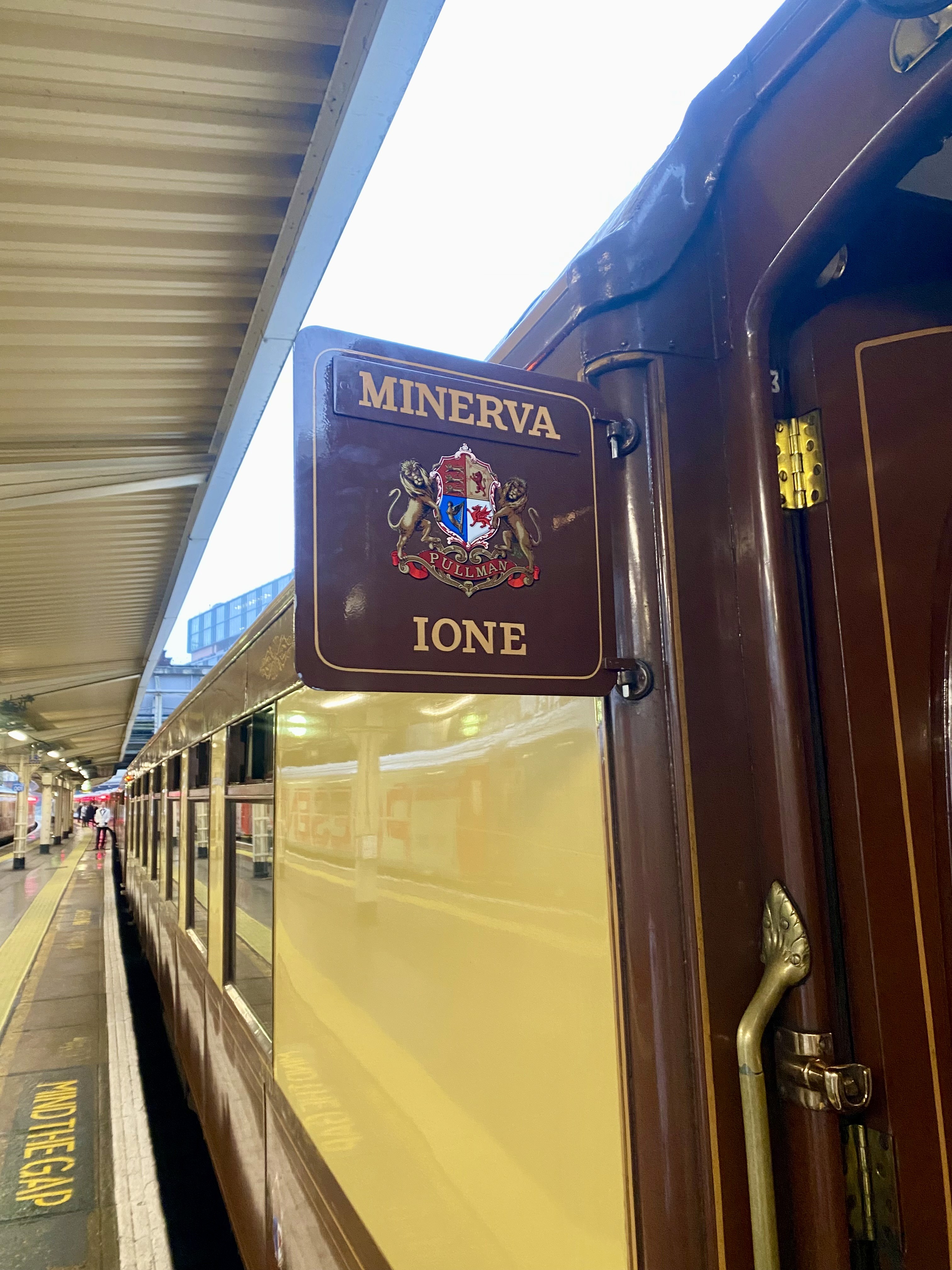
A few days in the Alps can be bespoke. So can a vineyard experience in Burgundy, a journey aboard a Belmond train or a carefully hosted day at Ascot. The common thread is not extravagance. It is that the decisions surrounding the experience make sense together.
The destination suits the group, the pace feels appropriate for the occasion and the hospitality complements the reason everyone is there. There is enough happening to give the experience character, but not so much that guests spend the entire time being moved from one scheduled moment to another.
That judgement is where curation starts to matter.
There are thousands of excellent hotels, restaurants, venues and experiences available, particularly when we are working across the UK and Europe. Finding something good is often the easier part. Deciding what genuinely belongs in this particular experience, for this particular group, requires a different kind of thinking.
When adding more stops improving the experience
There can be a temptation when creating something special to keep adding to it. Another dinner, an additional activity, a surprise for the guests or another piece of entertainment might all sound worthwhile individually, but together they can begin competing for time and attention.
Some groups genuinely enjoy an itinerary with energy from morning until night. Others benefit from having an afternoon with very little formally planned. A leadership group may value the opportunity to talk without being moved onto the next activity, while clients being hosted somewhere exceptional may appreciate an unhurried lunch far more than another experience added simply because there was space in the programme.
The interesting question then becomes whether an idea improves the experience for the people attending, rather than simply whether it is possible to include it.
That can mean removing something very good in favour of making the overall experience better.
The decisions guests never see
Much of what makes a live event experience feel genuinely bespoke will never be obvious to the people attending it.
Guests will not know about the venues that were considered but ultimately did not feel right for the group. They will not see the activities that looked fantastic on paper but disrupted the pace of the trip, or the programme that changed because the original version simply felt too busy.
They experience the result instead.
Perhaps it is a restaurant that has exactly the right atmosphere for the evening, or a hotel that suits the personality of the group rather than simply being the most impressive option available. It might be enough time between an afternoon experience and dinner for everyone to disappear for an hour, or a transfer arranged in a way that simply feels like part of the journey rather than a logistical necessity.
Individually, those decisions may seem relatively small. Together, they determine whether an experience feels considered or simply organised.
Bespoke does not have to mean complicated
The word bespoke can easily become shorthand for luxury, exclusivity or expense, particularly in the events and hospitality world. We think there is a more useful interpretation.
A genuinely bespoke live event experience is one that could not simply be lifted from one client and handed to another without losing something in the process.
The people change, so the experience should change with them.
Sometimes that leads to an extraordinary destination or an experience guests would never ordinarily have access to. On another brief, it might lead to something surprisingly simple because that happens to be exactly right for the people in the room.
After years of creating experiences for very different clients and audiences, we have become increasingly convinced that the strongest programmes are not necessarily the ones with the most in them. They are the ones where the choices make sense together and where someone has been prepared to decide what belongs and, equally importantly, what does not.
Perhaps that is where bespoke really earns its meaning.
Not in how much has been added, but in how little feels unnecessary.