Leadership events are often positioned as moments to align, reset and move organisations forward.
Yet many fail to deliver meaningful decisions, not because the people in the room lack insight, but because the event itself isn’t designed to support decision-making.
When leadership gatherings are structured with intention, environment, flow and timing working together, they become powerful catalysts for clarity and action.
Here’s what we’ve learned about designing leadership events that genuinely move decisions forward.
Decisions Don’t Happen in Overloaded Agendas
One of the most common challenges in leadership events is trying to do too much.
Back-to-back sessions, dense presentations and constant discussion leave little room for reflection. Leaders may engage, but mental bandwidth quickly disappears.
Effective decision-making requires:
Space to absorb information
Time to process perspectives
Moments to step back and think clearly
Events that prioritise quality of discussion over quantity of content consistently deliver stronger outcomes.
Environment Shapes Thinking More Than We Realise
Where leaders gather has a direct impact on how they think and interact.
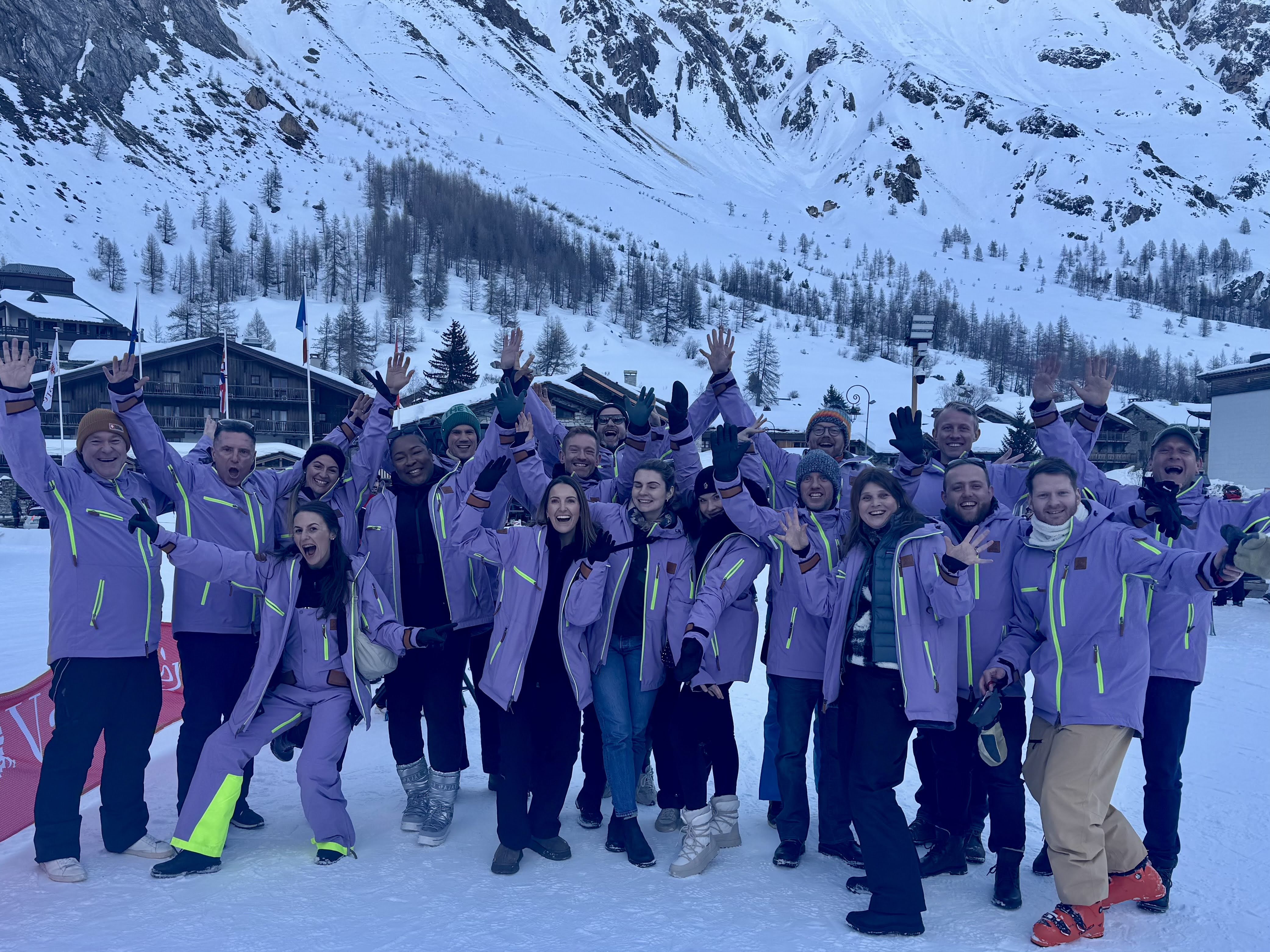
Changing the environment, whether that’s an alpine retreat, rural estate or an international incentive destination, naturally shifts perspective. It removes people from operational noise and creates the mental distance required for strategic thinking.
We have seen leadership ski trips and incentive retreats succeed because:
Informal settings encourage open conversation
Shared experiences build trust quickly
Movement and fresh air support focus and clarity
The environment doesn’t distract from the agenda but strengthens it.
Decision-Making Needs Structure, Not Rigidity
Strong leadership events balance freedom with framework.
Too little structure and discussions drift. Too much structure and conversations shut down. The most effective formats create clear decision points while allowing space for exploration.
This often includes:
Clearly defined objectives for each session
Fewer topics, explored in more depth
Facilitated discussions rather than presentations
Natural breaks that allow ideas to settle
The goal is not to control the conversation, but to guide it purposefully.
Informal Moments Are Where Alignment Often Happens
Some of the most important decisions don’t happen in meeting rooms.
They happen on the ski lifts, over shared meals, during walks or downtime and in the unplanned, relaxed conversations.
Designing leadership events means allowing space for these moments. When trust is built through shared experience, difficult conversations become easier and decisions feel more aligned.
This is why incentive-style leadership trips can be so effective when designed with intention rather than treated as reward-only experiences.
Hospitality Is a Strategic Tool, Not a Nice-to-Have
When leaders feel looked after, they think more clearly.
Thoughtful hosting removes friction allowing smoother logistics, clearer communication, comfortable pacing and calm attentive support.
These details create psychological safety allowing leaders to focus on decisions, not distractions.
The Best Leadership Events End With Clarity, Not Exhaustion
A successful leadership event doesn’t end with a long list of notes but with shared understanding.
That might look like:
Clear decisions made
Direction agreed
Priorities aligned
Confidence in the next steps
When people leave feeling clear rather than overwhelmed, the event has done its job.
Designing Leadership Events With Purpose
Leadership events are one of the few opportunities where senior teams step away from day-to-day pressures to think collectively about the future.
Whether it’s a ski trip, overseas incentive or focused retreat, the value lies in how the experience is designed not just where it takes place.
When structure, environment, hospitality and flow work together, leadership events become moments where real decisions are made and carried forward long after the event ends.