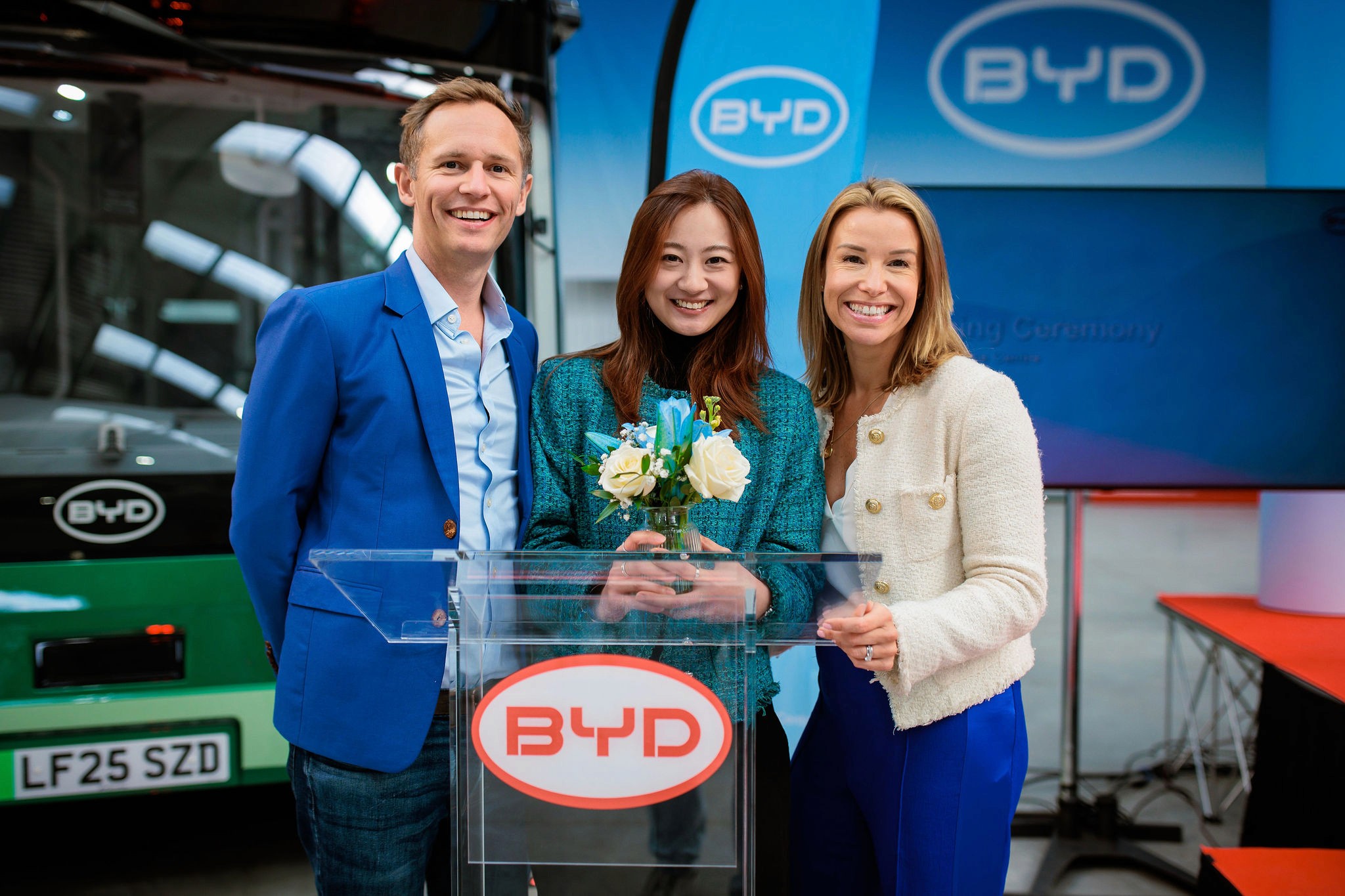
There has been a subtle shift happening recently in the events world when it comes to brand experiences and brand activation events.
For a long time, scale was the headline with a bigger build, louder presence and more spectacle. While scale can absolutely have its place, it isn’t always what makes a brand activation effective.
What we are seeing more often now is something more considered where brands aren’t necessarily asking for more space but discussing how their event can have more impact.
The most effective activations we have seen are designed with intention and a clear end goal in mind from the outset. They know what they want guests to feel, what they want people to remember and clear on what the business needs the experience to do.
When that clarity is in place, the activation starts working harder without needing to work bigger.
A well-positioned space can create more meaningful interaction than a sprawling footprint. A thoughtful moment of surprise can land more powerfully than a heavy production schedule. A strong host or well-briefed team can shape perception far more effectively than a backdrop ever could.
The difference usually sits in the early decisions. We ask our clients and ourselves:
Who exactly is this for?
What does success look like after the event?
Where do we want conversations to happen?
How do we make it easy for people to engage?
When those questions are answered properly, everything else becomes more efficient. Budgets stretch further, teams feel calmer and guests feel guided rather than sold to.
We’ve found that the activations that resonate most are the ones that feel purposeful rather than performative. They’re confident enough not to shout by shifting to focus to connection, relevance and clarity instead of simply attention.
When brand activation strategy is built around audience behaviour rather than scale, experiential corporate events become more memorable without becoming more complex.
That doesn’t mean smaller always means better. It means smarter design matters more than size.
In a landscape where audiences are more discerning and attention is harder to hold, thoughtful curation often outperforms scale. A well-considered activation leaves people with a clear sense of who you are and why you matter. And that tends to last longer than spectacle alone.
As brands plan their next experiences, the question shouldn’t necessarily be:
“How big can we make this?”
It should be:
“How intentional can we make this?”
Because when the strategy is strong, the footprint doesn’t need to be.