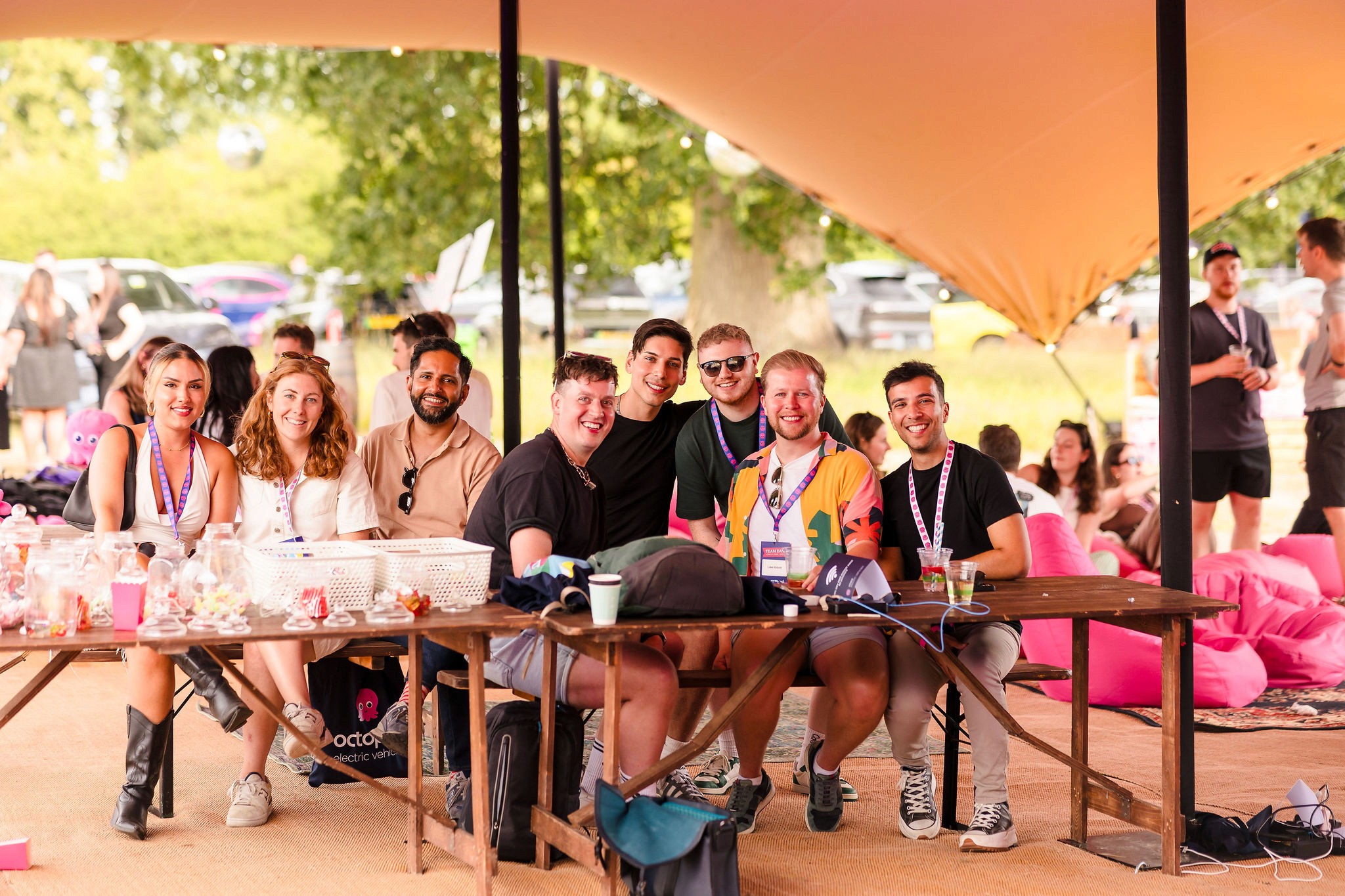
For many organisations, outdoor events are still seen as seasonal. Something to consider in summer, or as an alternative once indoor venues are booked out.
But the most effective outdoor events we design aren’t driven by the calendar but by strategy.
When used intentionally, outdoor environments can support clearer thinking, stronger connection and more meaningful outcomes at any time of year.
Outdoor Settings Change How People Show Up
The moment people step outside a formal indoor environment, something shifts.
Hierarchies soften. Conversations become more natural. People move, think and interact differently.
Outdoor spaces remove many of the visual and structural cues that keep people locked into “meeting mode”. Without boardroom tables, fixed seating or artificial lighting, teams tend to engage more openly and listen more actively.
This change in behaviour isn’t accidental. It’s one of the key reasons outdoor events are so effective when the goal is connection, collaboration or alignment.
Strategic Distance Creates Better Thinking
One of the biggest challenges for leadership teams is creating enough distance from day-to-day operations to think clearly.
Outdoor events naturally create that distance. A change of environment alone can help people step back from immediate pressures and see challenges from a new perspective.
Whether it’s a leadership offsite, a team reset or a client gathering, outdoor settings provide both physical and mental space, allowing conversations to move beyond updates and into insight.
Outdoor Events Support Movement and Energy
Indoor events often require people to sit still for long periods. Outdoors, movement becomes part of the experience.
Walking conversations, informal breakouts and flexible layouts encourage energy without forcing activity. This movement supports focus, engagement and participation, especially for longer sessions.
When people feel physically comfortable and mentally stimulated, they contribute more fully and retain more of what’s discussed.
Weather Is a Consideration, Not a Barrier
A common hesitation around outdoor events is weather but with thoughtful planning, it becomes a design consideration rather than a risk.
Shelter, layered experiences, adaptable layouts and clear contingency planning allow outdoor events to run smoothly across seasons. In fact, some of the most memorable moments come from environments that feel considered rather than over-controlled.
When weather is planned for not feared, it adds texture and authenticity to the experience.
Outdoor Events Encourage More Human Connection
Without rigid formats or formal surroundings, people tend to connect more naturally outdoors.
Shared moments, whether it’s walking between sessions, gathering around a fire or simply being in a space that feels different, build trust faster than structured networking ever could.
This is why outdoor events work so well for leadership alignment, culture-building and relationship-led objectives.
Strategy First, Setting Second
The most successful outdoor events don’t start with location. They start with intent.
When the purpose is clear, whether it’s decision-making, alignment, motivation or connection, the environment becomes a tool to support that outcome.
Outdoor settings aren’t about novelty. They’re about creating the right conditions for people to engage, think and connect in a more meaningful way.
Looking Ahead
As organisations look for smarter, more effective ways to bring people together, outdoor events are increasingly becoming a strategic choice not a seasonal one.
When designed with care, clarity and purpose, they offer something indoor spaces often can’t, perspective.
And that’s valuable at any time of year.